






5 Health Benefits of Solitude
In today's overly connected 24/7 society, it can be difficult to find quality time with your spouse, kids and friends — let alone yourself. But carving out some quiet “me” time should be on everyone’s priority list, and even a few minutes flying solo can deliver big benefits.
“Solitude is an intentional period of time set aside to reconnect with yourself,” says Rachel Astarte, psychotherapist, certified life coach and author of Celebrating Solitude: How to Discover and Honor Your Highest Self (Green Oracle Press, 2012). “Ideally, it is designed to recharge your batteries so that you can give back to the world.”

For some people, however, solitude is uncomfortable. Maybe you have FOMO (fear of missing out) or feel guilty prioritizing yourself over others or equate being alone to being punished — e.g., being sent to your room as a kid. Regardless, Astarte recommends giving it a go. Here’s why.
You'll gain clarity. Solitude allows you to clear your mind of mental chatter and get to the root of a problem or issue without distractions from the outside world, according to Astarte.
You'll boost creativity. “In true creative mode, the only voice we need to hear is our own,” Astarte says. “It is this clarity of mind that allows us to open ourselves to the vastness of possibility.”
You'll reduce stress. “Stress causes our bodies to enter into the protective fight, flight or freeze mode, which is regulated by cortisol,” Astarte explains. Intentional solitude, wherein you practice what gives you joy, keeps you in a safe state of calm so your stress hormones are not triggered.
You'll connect with your spirituality. “Solitude allows us to rediscover the most elevated, most spiritually evolved self we can be,” Astarte says. “It gives us time to re-familiarize ourselves with the innate spark carried within us.”
You'll renew your energy. Giving to others all the time — while rewarding — also can be draining. “It’s like having a party and filling everyone’s glass with an empty pitcher — there is simply not enough to give,” Astarte says. Giving to yourself can help replenish your energy stores so you can return to life with a full tank.
How to Go It Alone
Solitude might not come naturally to you, but you can improve with practice. Start with five minutes a day and gradually work your way up to 30 minutes of uninterrupted time. Here are some tips from Astarte for additional guidance.
- Go offline. Put down your phone and disconnect from social media. This severs the continual inundation of others’ energy and allows you to properly connect to your own.
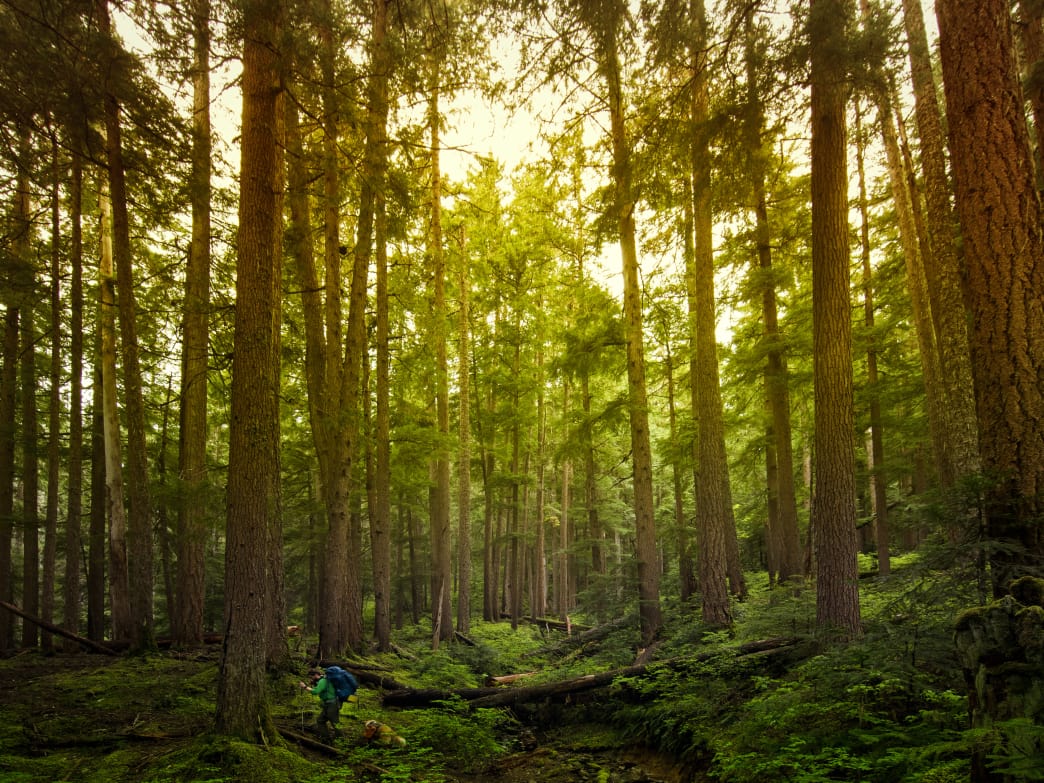
- Pick a place. Create a space for your solitude practice such as a spot outdoors where you can reconnect to nature or a quiet room in your home.
- Find your joy. Do what you love to do most during this time with yourself, whether it’s reading, dancing, sketching, meditating, taking a bath or going on a long walk.
- Write it out. Journaling is a powerful tool for self-connection. It holds all your thoughts and feelings and can become an extension of you.
- Release your guilt. Take this time for you and feel good about it, knowing that ultimately it will make you a better mother, wife, friend and work colleague.
Written by Jill Schildhouse for Oxygen Magazine and legally licensed through the Matcha publisher network. Please direct all licensing questions to legal@getmatcha.com.


Leave a comment
This site is protected by hCaptcha and the hCaptcha Privacy Policy and Terms of Service apply.